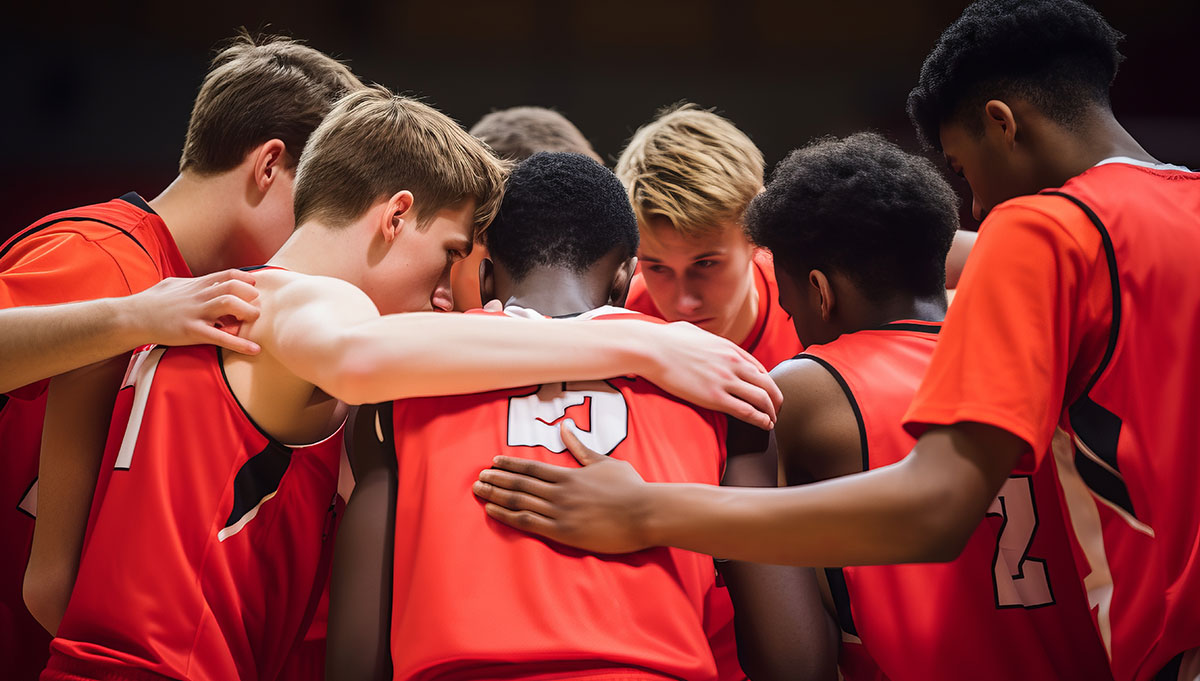
Sports have been a part of my life since childhood. Growing up in Connecticut, I played tennis, little league, and youth basketball, and I learned early on the importance of teamwork, communication, and perseverance. While many people view sports as simply a pastime, the lessons learned on the field, court, or track extend far beyond the game. Over the years, I have found that the skills developed through sports directly translate to the workplace, particularly in roles that require collaboration, problem-solving, and leadership.
Understanding Roles and Responsibilities
One of the first lessons sports teach is understanding and respecting roles. In basketball or baseball, each player has specific responsibilities that contribute to the team’s success. Recognizing your role and how it fits into the bigger picture is essential.
In the workplace, the same principle applies. Every team member brings unique skills and expertise. Understanding your role, while also appreciating the contributions of others, helps teams work efficiently. During my time in customer success, I saw firsthand how teams that understand roles clearly can address client needs more effectively and achieve shared goals with less friction.
Effective Communication is Key
Communication is a cornerstone of sports teamwork. On the court or field, players must communicate constantly to coordinate plays, share strategies, and respond to unexpected situations. Clear, concise communication can mean the difference between success and failure.
The workplace is no different. In customer success or account management, effective communication ensures that tasks are completed, challenges are addressed, and clients feel supported. Sports taught me to listen actively, speak clearly, and provide feedback constructively. These skills are essential for collaborating with colleagues, aligning teams, and building trust with clients.
Collaboration and Supporting Others
Sports are inherently collaborative. Winning as an individual is impossible in team sports. Success depends on supporting teammates, anticipating their needs, and working together toward a shared goal.
In the workplace, collaboration works the same way. Supporting colleagues, sharing knowledge, and offering assistance when needed strengthens the team and leads to better results. During my time managing accounts and helping clients onboard in SaaS environments, I often had to coordinate with multiple departments. The teamwork skills I developed through sports helped me collaborate effectively, anticipate challenges, and ensure that clients received consistent, high-quality support.
Building Resilience and Handling Pressure
Sports also teach resilience. Losses, mistakes, and setbacks are inevitable, and learning to recover quickly is crucial. Athletes learn to stay focused, adapt strategies, and maintain composure under pressure.
In professional environments, challenges and high-pressure situations are common. Customer issues, tight deadlines, and complex projects can create stress. The resilience built through sports helps professionals stay calm, think critically, and find solutions without becoming overwhelmed. I have often drawn on this experience when troubleshooting customer issues or navigating challenging team dynamics.
Goal Setting and Continuous Improvement
In sports, success is measured by progress toward goals. Whether improving a personal best, winning a match, or mastering a new skill, athletes set objectives and work consistently to achieve them. Feedback from coaches and teammates provides guidance for improvement.
This approach directly translates to professional development. Setting clear goals, tracking progress, and embracing feedback are essential for career growth and team performance. In my work with clients and internal teams, I encourage goal-setting for projects, using milestones and checkpoints to maintain focus and drive results. Continuous improvement ensures that individuals and teams are always striving to perform better.
Conflict Resolution and Managing Differences
Sports teams are made up of individuals with diverse personalities and approaches. Conflicts are natural, and learning to resolve them constructively is an important skill. Athletes develop the ability to negotiate, compromise, and maintain focus on shared objectives.
In the workplace, differences in communication styles, priorities, or approaches can create tension. The experience gained in sports helps professionals address conflicts calmly, find common ground, and keep the team moving forward. By focusing on solutions rather than blame, teams can maintain cohesion and achieve better outcomes.
Fostering Leadership and Initiative
Participation in sports also cultivates leadership. Captains and experienced players guide their teammates, motivate others, and make critical decisions during games. Leadership involves taking initiative, supporting others, and setting a positive example.
In professional settings, leadership is not limited to formal titles. Team members who demonstrate initiative, help colleagues, and provide guidance enhance team performance. The lessons from sports have helped me take ownership of projects, mentor colleagues, and lead initiatives that improve client satisfaction and operational efficiency.
Conclusion
Sports are more than recreation—they are training grounds for essential life and professional skills. The teamwork, communication, resilience, goal-setting, conflict resolution, and leadership skills developed through sports translate directly to the workplace.
In customer success, account management, or any collaborative environment, these skills help individuals contribute effectively, support colleagues, and deliver value to clients. Reflecting on my own experiences, I can confidently say that the lessons learned on tennis courts, basketball courts, and baseball fields continue to shape the way I work, lead, and engage with others every day.
Engaging in sports equips professionals with tools to navigate challenges, collaborate efficiently, and build strong, high-performing teams. In the workplace, these lessons create a culture of cooperation, accountability, and continuous improvement that benefits both employees and clients.